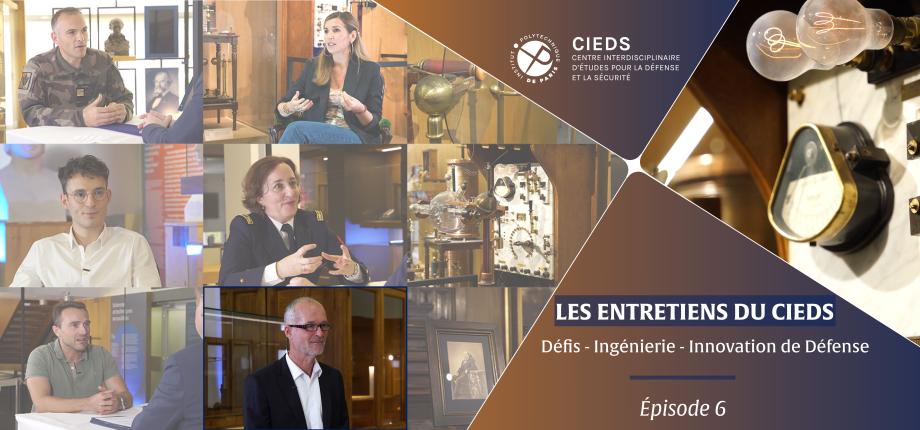
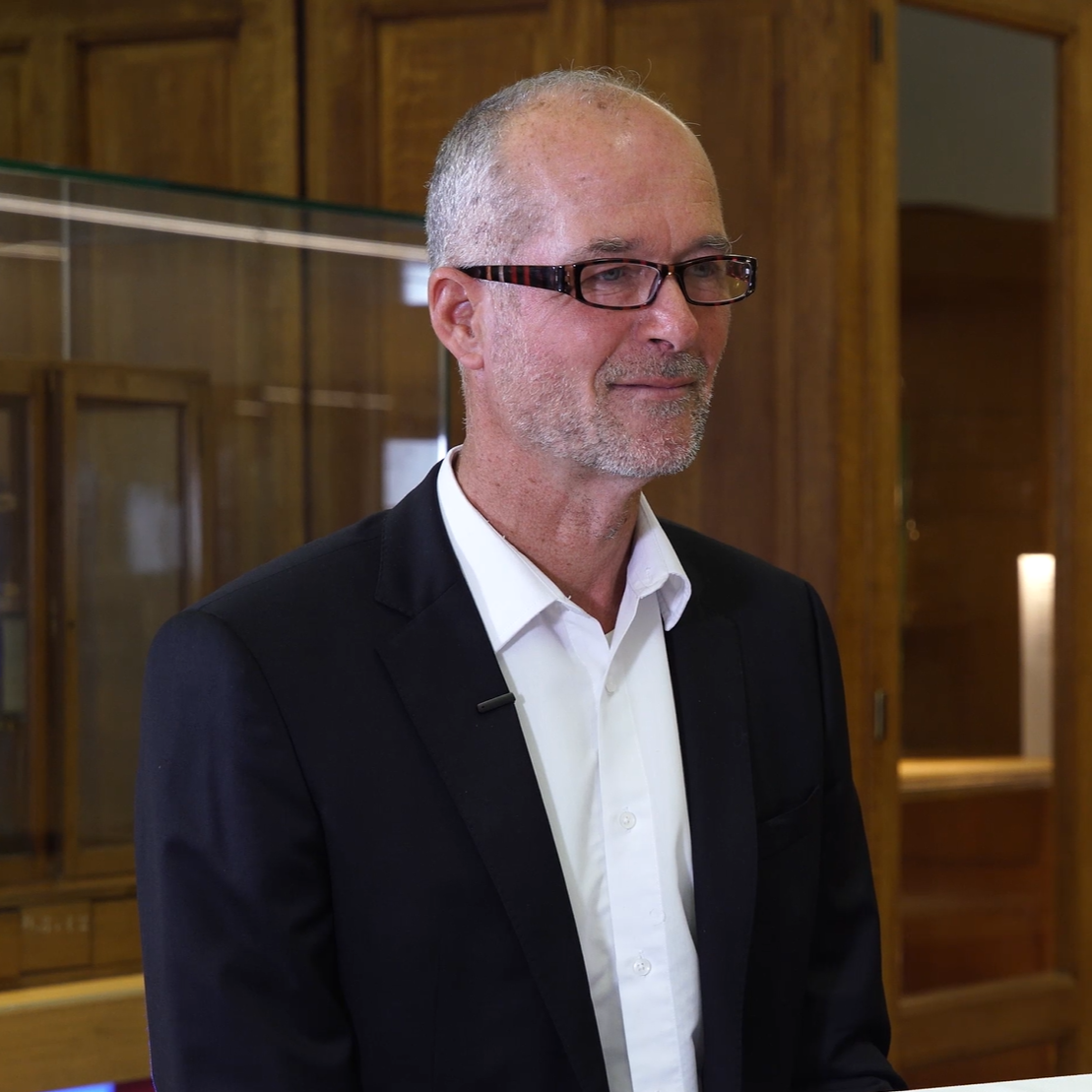
CIEDS Interviews, Episode 6: Professor Antoine Rousseau, LPP Researcher and Co-Founder of Plasana Médical
About the guest
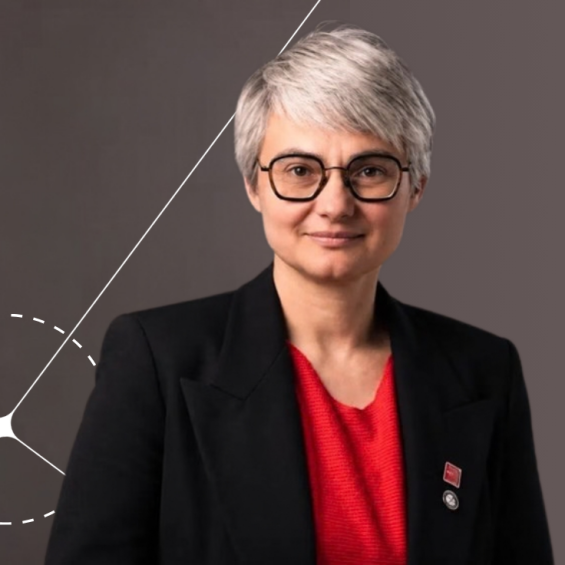
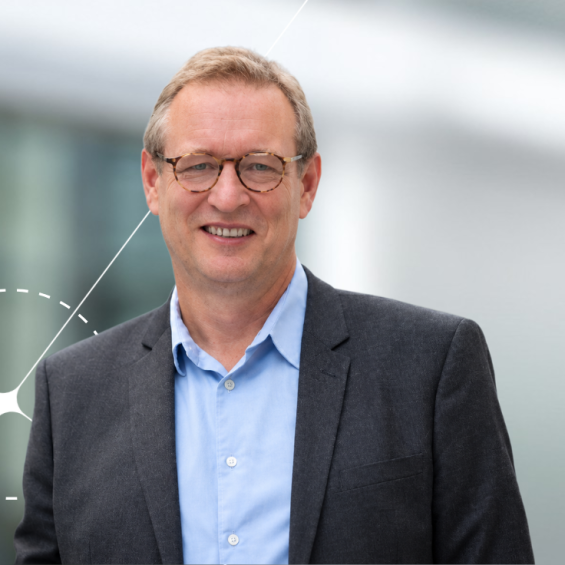
Antoine Rousseau
Professor and Research Director, LPP, École Polytechnique
Co-founder of Plasana Medical
“Long-term support is absolutely crucial for enabling an idea originating in the laboratory to be transferred and developed into an innovation, particularly in the context of interdisciplinary research.”
After completing a PhD on the characterisation of a source of hydrogen atoms generated by a microwave discharge, under the supervision of Philippe Leprince at the Laboratoire de Physique des Gaz et des Plasmas, Antoine Rousseau joined the CNRS as a researcher at the same laboratory. In January 2004, he joined the Laboratoire de Physique des Plasmas at École Polytechnique, where he is now a Professor and Research Director. His research focuses primarily on air treatment and pollutant removal through plasma-catalyst coupling, as well as biomedical applications of non-thermal plasmas. Antoine Rousseau is not only a researcher: he is also co-founder of the start-up Plasana Médical.
Key moments from the episode
Building on more than ten years of research and founded in November 2022 in partnership with Technofounders, Plasana Médical aims to develop an innovative medical device using multi-jet cold plasma to accelerate wound healing. Designed for severe burns and chronic wounds, the device is suitable for both military and civilian applications.
Cold plasmas
Plasmas are partially ionised media. They consist of an electric field, a small number of ions and electrons, as well as reactive species such as oxygen and nitrogen. For example, when another person gives you a small static electric shock, this is a cold plasma.
Simulation of the four pillars of wound healing
Antoine Rousseau and his team demonstrated in 2017 that, under certain conditions, cold plasmas can stimulate the four fundamental pillars of wound healing:
- the growth of cells known as keratinocytes, which make up the epidermis, i.e. the outermost layer of the skin;
- the activation of cells found in the dermis, such as fibroblasts, which provide the skin with elasticity through the production of collagen;
- vascularisation, i.e. the formation and development of blood vessels to meet the oxygen and nutrient requirements of the body's different tissues;
- the strengthening of the immune response, combined with a highly effective bactericidal effect, in other words, a strong ability to kill bacteria.
Dual-use applications
“Healthcare is inherently dual-use, and even doubly so,” emphasises our guest. The cold plasma-based device developed by Plasana Médical could be used to treat severe burns in military settings, as well as major burns in civilian healthcare. Looking ahead, the start-up also aims to contribute to the treatment of chronic wounds (venous ulcers, diabetic foot ulcers, etc.), which currently affect around 2 million people in France. By stimulating cellular regeneration, plasma is emerging as a promising therapeutic solution.
Long-term support
It is an exciting journey that began with discussions with the French Defence Procurement Agency (DGA). “We carried out initial studies, funded first by the DGA and then by the Defence Innovation Agency (AID), to understand how wounds and severe burns respond to plasma exposure,” explains Antoine Rousseau. Further studies were subsequently carried out in collaboration with the French Armed Forces Biomedical Research Institute and the Institut Pasteur, using both in vitro models (in the laboratory, outside a living organism) and in vivo models (directly on a living organism) of severe burns. From 2019 onwards, Institut Polytechnique de Paris (IP Paris), École Polytechnique and its Foundation, as well as SATT Paris-Saclay, joined the DGA, the Defence Innovation Agency (AID) and the Interdisciplinary Centre for Defence and Security Studies (CIEDS) in supporting research projects carried out at the LPP and promoting technology transfer.
Advice for younger generations
The researcher encourages young people to consider an academic career, including those who are planning to move directly into industry. “Doing a PhD is a stimulating experience: it gives you the opportunity to work alongside researchers from a wide range of fields, helping you step outside your cultural background and initial training,” says Antoine Rousseau.
He explains that he has seen many PhD students at the LPP leave with a wealth of ideas, with some even going on to set up their own companies, often inspired by research carried out in the laboratory or by discussions at conferences. The scientist also has advice for those who do not wish to pursue a PhD but want to start their own company directly: he recommends staying connected with research laboratories. “Many ideas emerge in these environments, but researchers do not always have the time or the inclination to take them through to technology transfer,” he explains.