



Here are the 10 finalists of the IP Paris 2026 My Thesis in 180 Seconds competition
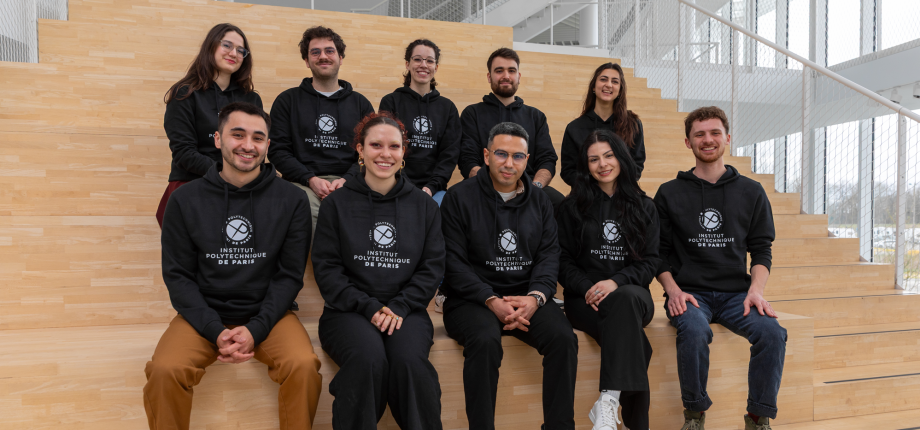
The local final of the 2026 My Thesis in 180 Seconds competition will take place on Thursday, March 12, 2026, at École Polytechnique from 10 a.m. to 12 p.m. Ten finalists have been pre-selected this year, so come cheer them on and vote for the one who impresses you the most!
Supported by the Doctoral Schools and the IP Paris Graduate School, the MT180 competition offers young researchers the opportunity to share their work with a wide audience and, why not, inspire future scientists.
The 2026 edition offers an experience specially designed for high school students: the goal is to create a concrete and enriching link between doctoral students and students.
In this unique format, nearly 200 high school students will be invited by the IP Paris Equal Opportunity Center to attend the competition and take part in the public vote.
The science outreach show is free and open to the public, but registration is required by completing the form.
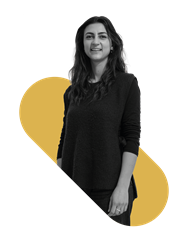 | Margherita Castellano is writing her thesis at the Center for Applied Mathematics (CMAP - a joint research unit CNRS, Inria, École Polytechnique, Institut Polytechnique de Paris, 91120 Palaiseau, France). It is entitled Navier–Stokes–Cahn–Hilliard Equations with Surfactants. What does your thesis work involve and what are its possible applications?My work consists of mathematically describing a physical situation in order to better understand the dynamics at play. In this case, I am interested in the interaction of two fluids that do not mix—such as water and air or water and oil, for example—in the presence of small molecules called surfactants. These molecules have the property of altering surface tensions and stabilizing systems that would otherwise separate rapidly (kinetically unstable). During my thesis, I carried out modeling work in order to choose the right equations and terms to describe the temporal evolution of the physical phenomenon observed. However, as these equations are too complex to be solved exactly using mathematical formulas, I used a numerical method to obtain an estimate. I then mathematically analyzed the properties of the resulting system of equations (called a discrete system) to verify the reliability of the results it provides. I was then able to numerically simulate the physical phenomenon and better understand it. Surfactants are extremely common and are used in a wide variety of contexts. A better understanding of how they work can therefore be useful in many fields, such as climate science, the pharmaceutical industry, and microfluidics. What does the MT180 competition mean to you and what do you expect from this experience?In my opinion, the MT180 competition is above all a challenge to popularize science. It allows me to share complex research issues and abstract concepts in a few words while trying to convey my fascination with mathematics. I also find it very interesting, even powerful, to be limited to three minutes. It forces you to eliminate the superfluous. Finally, I hope to bring my thesis to life through this experience by making it vivid and meaningful. I really enjoyed searching for metaphors while writing my text, and I intend to enjoy it even more during the competition. leur donnant de la voix. |
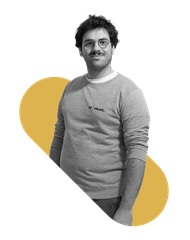 | Augustin Cledat is conducting his thesis at the Laboratory of Dynamic Meteorology (LMD - a joint research unit CNRS, ENS-PSL, Sorbonne University, École Polytechnique, Institut Polytechnique de Paris, 91120 Palaiseau, France). It is entitled Development of a Digital Twin for Water Resource Management in the Drôme under Global Change. What does your thesis work involve and what are its potential applications?Water is at the heart of a multitude of societal issues, and the management of this resource must be based on particularly reliable data. However, creating such data is a major challenge, involving a multitude of physical disciplines including hydrology and climatology, as well as social sciences such as economics and sociology. Indeed, in the Anthropocene—the current geological era, during which human influence on ecosystems and geology is significant on the scale of Earth's history—it is essential to understand water use in order to better understand the quantity and distribution of this resource across a given territory. I therefore chose to focus my work on the Drôme Valley and to carry out a project combining sociology and hydro-climatology in order to gain a better understanding of water resources in the region. The aim of my thesis is therefore to create a decision-making tool for water management in the Drôme Valley. This tool, known as a digital twin of water resources in this specific environment, will bring together a wide range of local and satellite observations and will be supplemented by one or more mathematical models. In other words, it is software capable of simulating the water cycle and water use in the Drôme Valley in various situations, based on mathematical models established from field surveys. Before embarking on the development of my digital twin model, I wanted to ensure that it would effectively address the issues raised by local stakeholders. I therefore chose to involve them in the construction of the project and to conduct a sociological field survey to draw up specifications for the digital twin. Co-construction will also be at the heart of the tool's development and operation. I plan to organize dedicated discussion sessions in the area and set up participatory experiments. As part of these experiments, every citizen in the valley will be able to equip themselves with instruments for measuring water cycle variables (weather stations, rain gauges, etc.) and enter their data into the digital twin. What does the MT180 competition mean to you and what do you expect from this experience?Participating in the competition is an opportunity for me to present this interdisciplinary thesis project, which I particularly enjoy, to the general public and to explain it. It's a very meaningful endeavor. Participating in it also fulfills a dream I had as a student. I really admired the doctoral students who presented their topics at MT 180 because they made me want to join a new research team at the end of each pitch. Finally, the competition is useful for my thesis work. I regularly have to present my project to people outside the academic world (associations, elected officials, technicians, etc.), and MT180 gives me the keys to interact with them more effectively and porter les messages essentiels. |
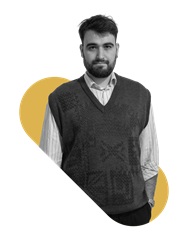 | Umberto Fontana Umberto Fontana is writing his thesis at the Distributed Services, Architecture Modeling, Validation, and Network Administration Laboratory (SAMOVAR— a research laboratory Télécom SudParis, Institut Polytechnique de Paris, 91120 Palaiseau, France). It is entitled Detection of botnets using explainable artificial intelligence. What does your thesis work involve and what are its potential applications?My thesis focuses on protecting web applications from new generations of online robots, commonly known as bots. These automated agents are designed to carry out large-scale fraud, resulting in considerable economic losses every year. My work focuses on detecting and mitigating them, i.e., applying countermeasures to prevent them from causing harm. To do this, I am first designing a system capable of automatically identifying web bots. I am using machine learning algorithms that can isolate users exhibiting behavior characteristic of automation. Then, in a second step, I seek to strengthen the robustness of the puzzles used on the web to differentiate bots from legitimate users, the famous CAPTCHAs. Indeed, these can now be very easily circumvented: all you have to do is pay a human to solve them. My goal is to prevent the use of these services via an autonomous agent. This agent works on the basis of measurements based on network delays linked to CAPTCHAs. More specifically, I identify users whose network propagation time is not credible in relation to their detected geographical location. These two aspects of my work are closely linked: the detection system signals the presence of intruders, while CAPTCHA blocks them, thereby reducing the risk of impacting legitimate users. Together, they offer a decisive advantage against threats that are often perceived as insurmountable, and contribute to building a safer web. What does the MT180 competition mean to you and what do you expect from this experience?I have always been open to the idea that a career focused on dialogue with the public could be part of my future, in order to make science and research more accessible. The “My Thesis in 180 Seconds” competition is my first experience in popularizing science. From this perspective, the training we receive as candidates seems to me to be a valuable tool for gaining practical experience in this role, with all its difficulties but also its rewards. |
 | Magali Korolev is writing her thesis at the Center for Theoretical Physics (CPHT—a joint research unit CNRS, École Polytechnique, Institut Polytechnique de Paris, 91120 Palaiseau, France). It is entitled Correlated Interacting Systems, Transport in Mesoscopic Physics, and Quantum Information. What does your thesis work involve and what are its potential applications?My thesis work is theoretical and concerns both quantum physics and condensed matter physics. I am interested in topological systems, i.e., materials in which large numbers of electrons organize themselves and interact with each other to generate stable collective properties that are resistant to perturbations. Depending on the arrangement of electrons and their interactions, these systems undergo phase changes (or changes in state, similar to how water exists in solid, liquid, or gaseous form). They can then transition from a very simple phase—for example, an insulating state in which electrons are immobile and do not interact with each other—to a topological state. This is the topological phase transition. Using equations and numerical simulations, I characterize these transitions in systems where electrons interact and move according to precise rules and geometries. I then observe how these same rules and geometric structures affect topological transitions. In this context, it turns out that the transition from a simple state to a topological state results in equations that are completely different from those that would characterize a transition between two simple states. But why study these phase changes? Certain materials that behave like topological systems often exhibit electronic excitations at their edges: protected edge states. These are immune to any impurities, changes in parameters, or inevitable particle agitation (quantum fluctuations), which is of great interest to quantum computer designers. For several years now, scientists have been working to develop quantum chips that use protected edge states to generate qubits (the unit of information in quantum computing). The resulting computers will be powerful and reliable. However, manipulating these particles and their properties requires a very good theoretical knowledge of quantum materials, about which there is still much to discover. Hence my thesis work. What does the MT180 competition mean to you and what do you expect from this experience?In addition to popularizing science, this competition is above all an ideal opportunity to promote science and research, particularly among young girls. I chose science because when I was younger, I was lucky enough to see many documentaries and popular science videos on the web. They were all made by very talented people who sparked my interest, but few of them were women. Today, I am a doctoral student—something I have always dreamed of—and I feel that it is now my role to pass on my passion for quantum physics and science in general, especially to girls! |
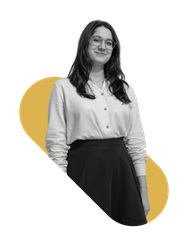 | Louise Loridon is writing her thesis at the Applied Economics Unit (UEA, an ENSTA laboratory, Institut Polytechnique de Paris, 91120 Palaiseau, France). It is entitled Analysis of the Impact of Containerized Maritime Transport on Marine Biodiversity through the Development of a Methodology to Measure the Marine Biodiversity Footprint. What does your thesis work involve and what are its potential applications?Accounting for 3% of global greenhouse gas emissions, maritime transport is a major challenge in the fight against climate change. Current studies focus mainly on these GHG emissions, sometimes taking into account certain other impacts of ships such as discharges or the transport of invasive species. In this context, my thesis offers a broader perspective. It analyzes the impact of maritime transport on marine biodiversity using a comprehensive, centralized method that calculates and visualizes all of these impacts. The aim of my work is to provide a detailed methodology for quantifying the “marine biodiversity footprint” of ships using specific indicators. In other words, the pressures they exert on ecosystems and the biodiversity that constitutes them, in terms of emissions, noise pollution, chemical pollution, etc. This methodology is based on environmental reporting, addressed to the CSR departments of shipowners and involving experts (captains, underwater noise experts, etc.) within companies. The aim is to obtain a score for each ship, based on the shipping route it takes over a given period. This score will be accompanied by investment proposals based on the results of the reporting. It will enable shipowners to compare ships and consider a more global environmental parameter (acoustic signature, less chemical paint, etc.) when choosing which ships to charter. They will then have a real decision-making tool at their disposal, providing them with information on their most significant impacts and those that they can change at the lowest cost. This research, conducted as part of a CIFRE contract, is by definition closely linked to industry. What does the MT180 competition mean to you and what do you expect from this experience?This competition is a great opportunity to raise awareness of my research and the issues related to marine biodiversity protection among a wide audience. It is also a chance to access training that supports us in both popularization and public speaking with excellent coaches. On a more personal level, this training has allowed me to meet doctoral students from very different disciplines and backgrounds, which would not necessarily have been the case in my everyday life at the laboratory. |
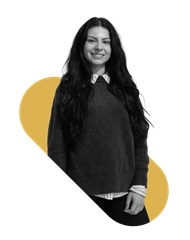 | Martina Pierri is writing her thesis at the Information Processing and Communication Laboratory (LTCI - a research laboratory Télécom Paris, Institut Polytechnique de Paris, 91120 Palaiseau, France). It is entitled Lightweight attention mechanisms in Computer Vision. What does your thesis work involve and what are its potential applications?Artificial intelligence is part of my everyday life. In particular, AI applied to images, for example to analyze what surveillance cameras, autonomous vehicles, or drones see. My thesis focuses on mechanisms called attention mechanisms. These enable these systems to “pay attention,” much like a human would. So instead of analyzing every pixel in the same way, they help AI models focus on the really important elements of an image and ignore the rest. These tools are crucial because cameras produce a huge amount of data and artificial intelligence models are very computationally and energy-intensive. Better use of attention therefore leads to faster systems that consume fewer resources. For example, a stationary car does not need to scrutinize a scene in minute detail and can focus on what is really suspicious. The same principle applies to security cameras, robots that need to navigate their environment, and even medical image analysis. Today, however, the most commonly used attention mechanisms are often computationally intensive. In addition, they focus either on the overall view of an image or on very specific details, without always correctly linking the latter to the overall context. My role is therefore to design a new attention mechanism that combines global and local vision. I have developed an adaptive attention mechanism that automatically decides how much importance to give to the overall view and the details, depending on the image presented. The goal is to obtain artificial vision systems that are more intelligent in the way they look at images, faster, and above all, less energy-intensive. What does the MT180 competition mean to you, and what do you expect from this experience?First of all, it's an opportunity to get out of the lab bubble and show that my subject has a concrete impact. AI is on everyone's lips, but its real-world applications are often poorly understood. In addition, doctoral studies are sometimes perceived as something very theoretical. This experience allows me to present a practical application of my research while hoping to draw the public's attention to research and, why not, inspire new vocations. MT180 is also a personal challenge because the competition is not in my native language, which takes me out of my comfort zone. This experience will allow me to improve my science communication and public speaking skills, but also to gain confidence. Finally, it is an opportunity to exchange ideas with other doctoral students from very different disciplines and to discover other ways of communicating research. |
 | Adrien Ramanana Rahary is writing his thesis at the Gaspard Monge Computer Science Laboratory (LIGM — a joint research unit CNRS, Gustave Eiffel University, and the École nationale des ponts et chaussées). It is entitled Multimodal and Spatio-Temporally Coherent World Models. What does your thesis work involve and what are its potential applications?My work is focused on the future of artificial intelligence. I am interested in “world models,” a new class of AI models capable of predicting how an observed environment will evolve in response to a hypothetical action. Let me explain. By training neural networks on large amounts of video data annotated with the actions taking place at each moment, I teach these models to simulate causal relationships and unfold plausible futures. This approach is of great interest to the scientific community because it represents a promising path for “post-language models.” Unlike AIs such as ChatGPT, these new models have a good understanding of the physical world and the dynamics of environments, which are essential capabilities for a much more intelligent AI. Such tools open up new possibilities, such as planning. It becomes possible to test “in the imagination” whether a sequence of actions will accomplish a complex task, something that current AIs are not really capable of doing. In addition, world models will serve as virtual simulators to train other AIs in the “imagination” of the model rather than in the real world. The advantage here is considerable, since training systems in a real environment often requires interactions that are dangerous, costly, or impossible to perform, whereas a simulator based on this principle offers more efficient and secure learning. World models will naturally find applications in robotics, particularly humanoid robotics, which is advancing rapidly, but also in the field of autonomous vehicles. They also open up new perspectives in climate and environmental sciences, where they model the complex dynamics of systems without explicitly describing them through equations. What does the MT180 competition mean to you and what do you expect from this experience?In my opinion, the MT180 competition is an excellent catalyst for inspiring high school students to pursue careers in science. I experienced this myself when I was in high school. I took part in a satellite event called “My mentor's thesis in 180 seconds,” during which I met doctoral students participating in the competition for the first time. I guess it worked well for me. Beyond the anecdote, this competition offers a valuable opportunity to show science in action in an accessible way. This is crucial in a field like AI, which is constantly transforming the way we live. I believe it is the responsibility of scientists to help shed light on possible trajectories, challenges, and future transformations. Finally, MT180 is an excellent personal challenge: synthesizing a complex subject, conveying your passion through a lively presentation, captivating an audience in three minutes... It's a very formative exercise! |
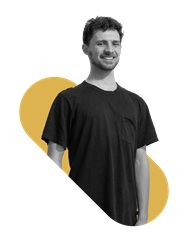 | Nathan Roubinowitz is writing her thesis at the Institut Photovoltaïque d'Île-de-France (IPVF - a joint research unit CNRS, École Polytechnique, ENSCP, IPVF SAS, Institut Polytechnique de Paris, 91120 Palaiseau, France). It is entitled From Transient to Continuous: Study of Hot-Carrier Relaxation for Photovoltaics. What does your thesis work involve and what are its potential applications?My daily work involves studying the behavior of electrons in semiconductors, particularly those with high energy (gained through light absorption, for example), known as hot electrons. When these electrons collide with the atoms around them, they lose their excess energy relatively quickly. We are talking about picoseconds here, 10-12s, which is the time it takes for light to travel 1mm. In this context, I am developing measurement and analysis methods to quantify and categorize these energy losses due to collision. They also allow me to test a whole range of materials with different compositions and structures. I then measure the energy of the hot electrons using optical methods such as photoluminescence—i.e., the emission of light specific to the semiconductor being studied—in two excitation regimes. In the first, the electrons are brought to a higher energy state in one go using an ultra-short pulsed laser. The second involves continuously illuminating the electrons. In both cases, I obtain additional information about the collisions. I can then determine the potential gain from exploiting these electrons for... photovoltaic solar panels! Indeed, if it were possible to use the Sun to excite these electrons and recover them before they lose their energy, the efficiency of converting light into electricity would increase from 47%—the best we can do given the obstacles to light conversion—to 86%, the theoretical limit where hot electrons no longer undergo collisions at all. What does the MT180 competition mean to you and what do you expect from this experience?For me, this competition is above all a way to get a message across: that in three minutes, anyone can understand the outlines of a project at the frontier of our current knowledge. I hope that MT 180 will spark the interest of the general public and future scientists. My second message would be to the high school students who come to see us and read our presentations: you can take advantage of an event like this and learn more by visiting laboratories, watching educational videos... and working hard at school! |
 | Kate Sorg is conducting her thesis at the Laboratory of Optics and Biosciences (LOB - a joint research unit CNRS, Inserm, École Polytechnique, Institut Polytechnique de Paris, 91120 Palaiseau, France). It is entitled Biological Functions of Non-Canonical Nucleic Acid Structures Called G-Quadruplexes in Archaea. What does your thesis work involve and what are its potential applications?The DNA molecule is known for its double helix structure and its adenosine-thymine (A-T) / guanine-cytosine (G-C) bonds. However, this universal assembly pattern can sometimes differ, with guanine nucleotides binding together to form quartets. These then spontaneously stack on top of each other and give rise to somewhat strange DNA structures called G-quadruplexes (G4). G4s influence the way our DNA functions. They can impact genome expression and replication and are capable of turning cellular processes on and off for their maintenance. My work therefore involves specifically studying G4s in archaea, microorganisms that are evolutionarily close to eukaryotes and live in conditions that are not conducive to life: high temperatures (95°C), acidic environments, saline environments, etc. I first used immunofluorescence microscopy to mark and precisely locate G4s. Using microscopes with increasingly high resolution (around 20 nm for some), I was able to show for the first time that G4s exist in these microorganisms, which constitute an ancient group of life on Earth. Observing G-quadruplexes in archaea also proves that these structures were present very early in evolution and are therefore present in all living beings today. With this first step completed, I am now seeking to understand the different roles of G4s within archaea. I plan to remove certain G-quadruplexes to see if archaea can still survive in extreme conditions. The next step will be to determine whether the roles of G4s are similar in archaea and humans, and thus discover any links between these two groups. Or, conversely, to identify functions specific to archaea. This fundamental research will pave the way for further research into the potential applications of G4s. These include the use of these structures in the development of drugs to treat neurodegenerative diseases. What does the MT180 competition mean to you and what do you expect from this experience?I am originally from the United States and have been living in France for three years. This competition is a way for me to test my French, but also to take pride in all the work I have accomplished scientifically, linguistically, and culturally. MT 180 will also allow me to learn how to communicate my research to the general public and discover the work of other competitors...all while having fun! |
 | Nadir Soucha is writing her thesis at the École Polytechnique Interdisciplinary Laboratory (LINX - a laboratory École Polytechnique, Institut Polytechnique de Paris, 91120 Palaiseau, France). It is entitled The Impact of Decarbonization on Valeo Group’s Procurement Strategies: The Case of Raw Material Sourcing in India for the Clutch Friction Materials Business. What does your thesis work involve and what are its potential applications?My thesis work involves examining the practices of stakeholders in terms of decarbonization in the automotive industry, and more specifically within a Tier 1 supplier, Valeo. Through a comparative study conducted in France and India on the clutch friction materials business, I analyze the impact of decarbonization on industrial performance using carbon accounting based on the Greenhouse Gas Protocol, which distinguishes between direct emissions (scope 1), those related to electricity consumption (scope 2), and those from the value chain (scope 3). Initial results show that, for equivalent production, the Indian site emits less CO₂ than the French site, thanks in particular to its fully electric operation and an energy mix composed of approximately 90% renewable energies, which has enabled the avoidance of nearly 7,000 tons of emissions. These observations highlight that lower-carbon production is possible even in a context often perceived as more dependent on fossil fuels. By gaining a deeper understanding of the issues related to emissions measurement—in particular the complexity of Scope 3, which requires supplier data and remains largely unstandardized—as well as the associated industrial and technological transformations, one of the objectives of this thesis is to identify an industrial model that allows economic performance and sustainable performance to converge, particularly in a complex environment: quality of infrastructure, role of public authorities, misunderstandings among stakeholders, dependence on fossil fuels, limited investment capacity, place of innovation, etc. What does the MT180 competition mean to you and what do you expect from this experience?The My Thesis in 180 Seconds competition is a great opportunity for me to raise awareness among a wide audience about the challenges of research. I also hope that this experience will enable me to communicate the challenges of decarbonization in an industrial environment with ease, using clear, precise, and captivating language. |